Destination guide

Attractions in Thankot and the Chandragiri Hills

Nine temples, viewpoints and heritage sites on the western rim of the Kathmandu Valley, each with fees, opening hours and how long to allow.

Thankot.com Editorial Desk Last checked August 2026 9 min read

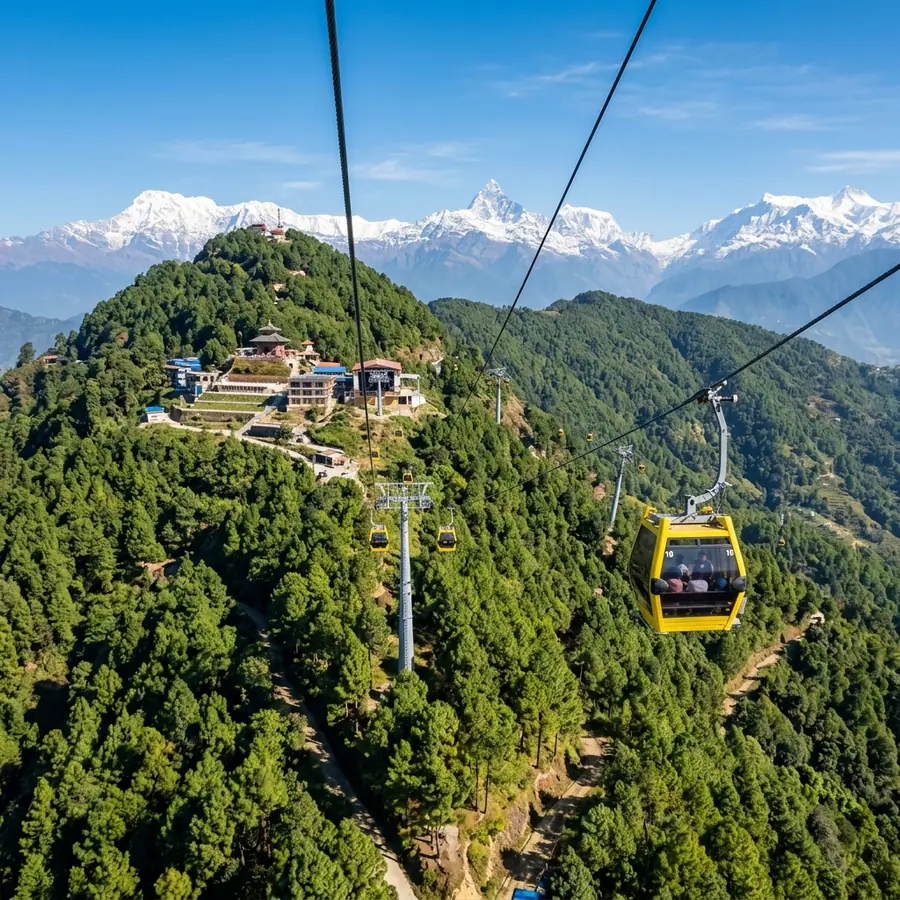
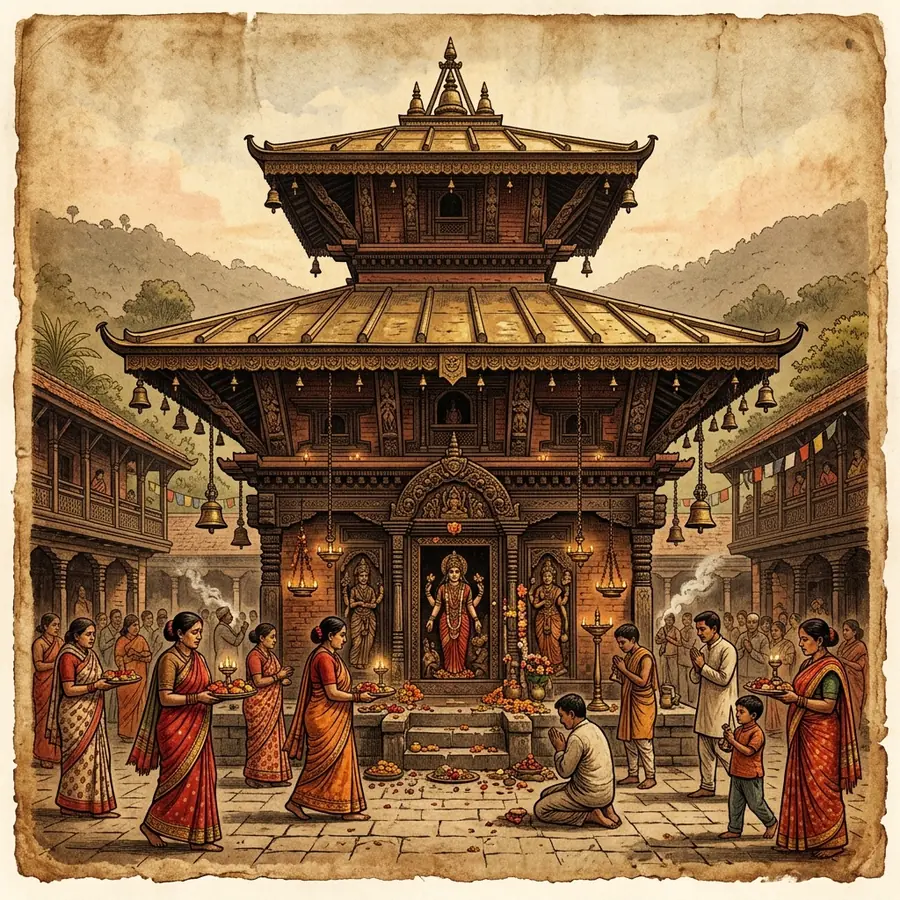
Almost everything worth seeing around Thankot sits within four kilometres of the point where the Tribhuvan Highway crosses the western rim of the Kathmandu Valley. The Chandragiri cable car lifts you from that junction to a ridge at 2,551 metres in about ten minutes; the Mahalaxmi pagoda of roughly 1690 stands ten minutes north of it on foot; and the valley's oldest large public park, two sacred ponds and the grave of the general who besieged Kathmandu are all within a short ride.

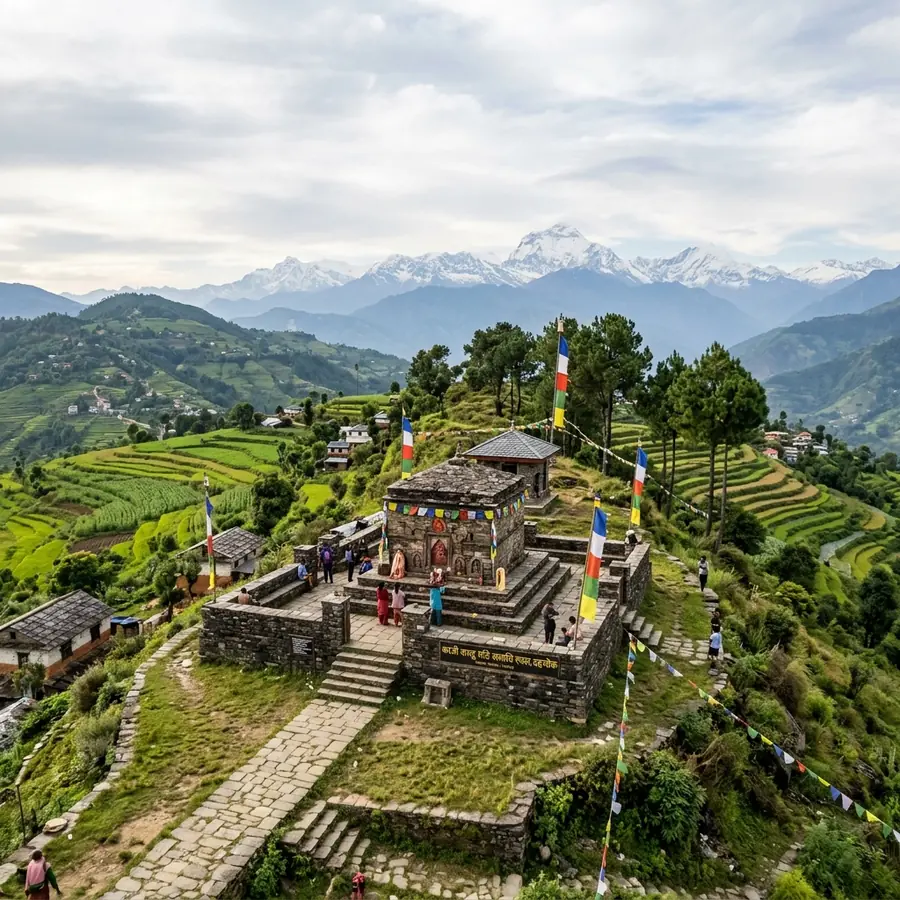
That density is the argument for coming here rather than driving further out. One unhurried day covers the ridge, a Malla temple and a park. Two days adds the Dahachowk ridge, where Indra Daha and the Kalu Pande memorial park look west towards Gorkha, and leaves room to walk up Chandragiri instead of riding.

Each page below carries the same set of facts: what it costs, when it opens, how long to allow, whether shoes come off, what you can actually see on a clear day and how to get there by bus. Where a figure could not be verified it is given as a range with a note to confirm it, because an honest range is more use than a confident wrong number.
9

Attractions covered

6

Free to enter

2,551 m

Highest point

12 km

West of Kathmandu

4 places

Temples and sacred sites

Four working shrines, not museum pieces. People come to them to make offerings, so each page tells you what to wear, when shoes come off and whether a camera is welcome.

3 places

Viewpoints and nature

The cable car, the trail it replaced and the valley's oldest public park. These are the pages to read if you want mountains on a clear October morning or a lawn to sit on.

2 places

Heritage sites

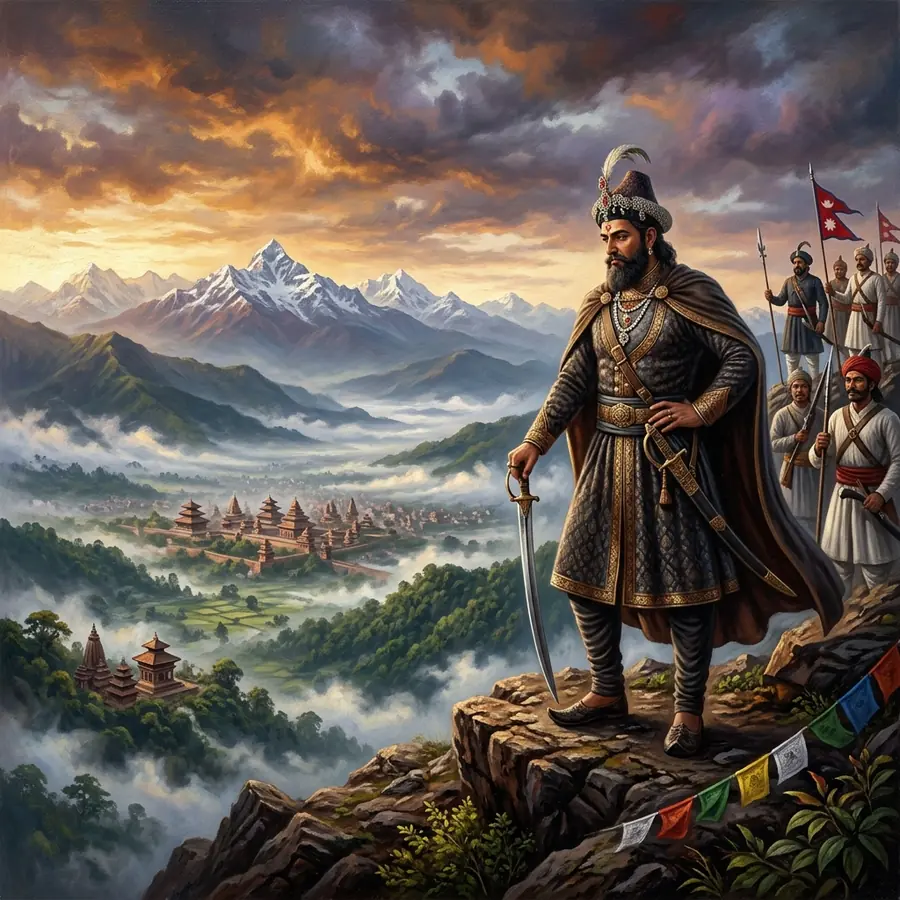
The places that explain why a small town on a hill mattered to whoever controlled the Kathmandu Valley, from the Kirat period through the Gorkhali campaign of the 1740s to 1760s.

Comparison

Compare every attraction at a glance

Fees, time needed, difficulty and the season each place is at its best. Sorted the way most visitors work through them.

Entry fee, time needed, difficulty and best season for each attraction around Thankot
AttractionEntry feeTime neededDifficultyBest season
Cable CarNPR 800 to 900 return (Nepali), USD 22 to 23 (foreign)3 to 4 hoursEasy, no walking requiredOctober to February
Bhaleshwor MahadevFree (cable car fare separate)1 to 2 hours at the siteEasy by cable car, hard on footOctober to February
Mahalaxmi TempleFree30 minutes to 1 hourEasy, flat and centralNovember for the jatra, any month otherwise
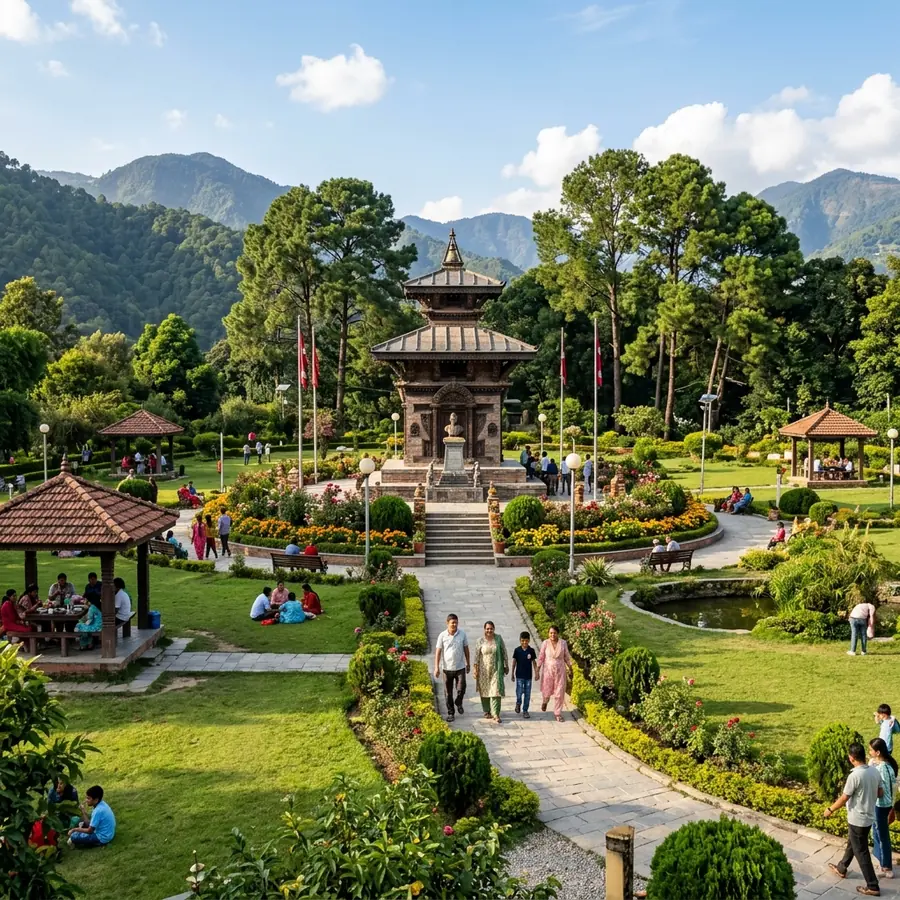
Tribhuvan ParkAround NPR 30 adult, NPR 20 student2 to 4 hours, or a full picnic dayEasy, mostly flatNovember to February
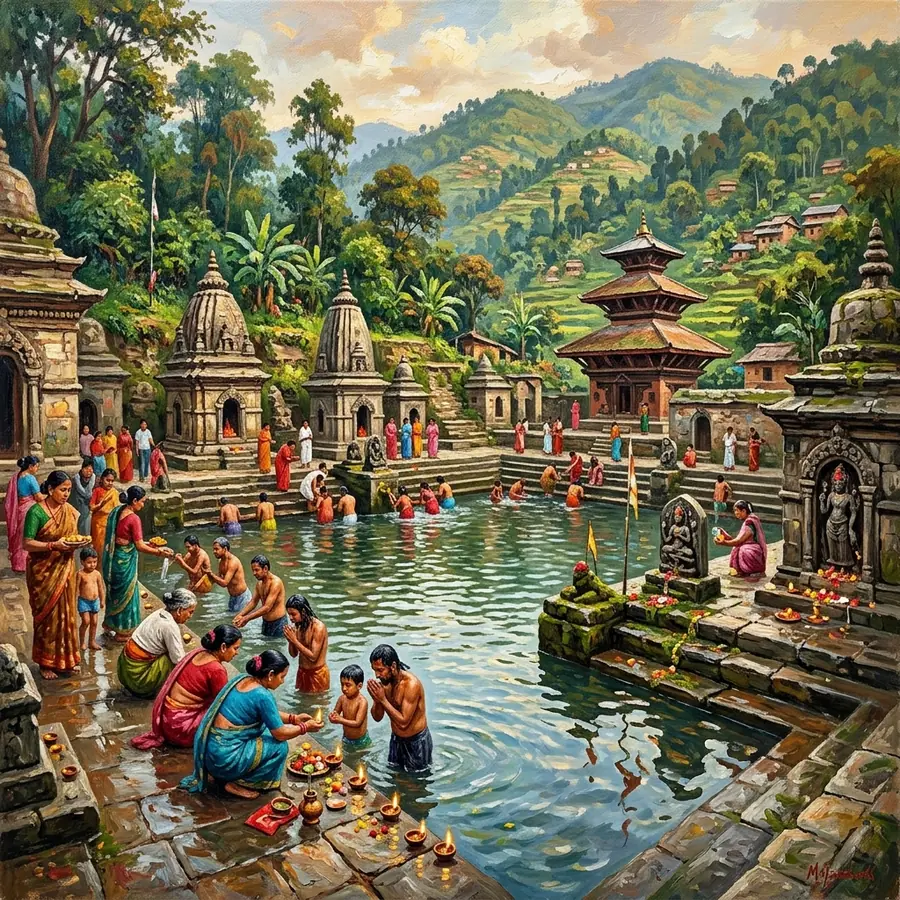
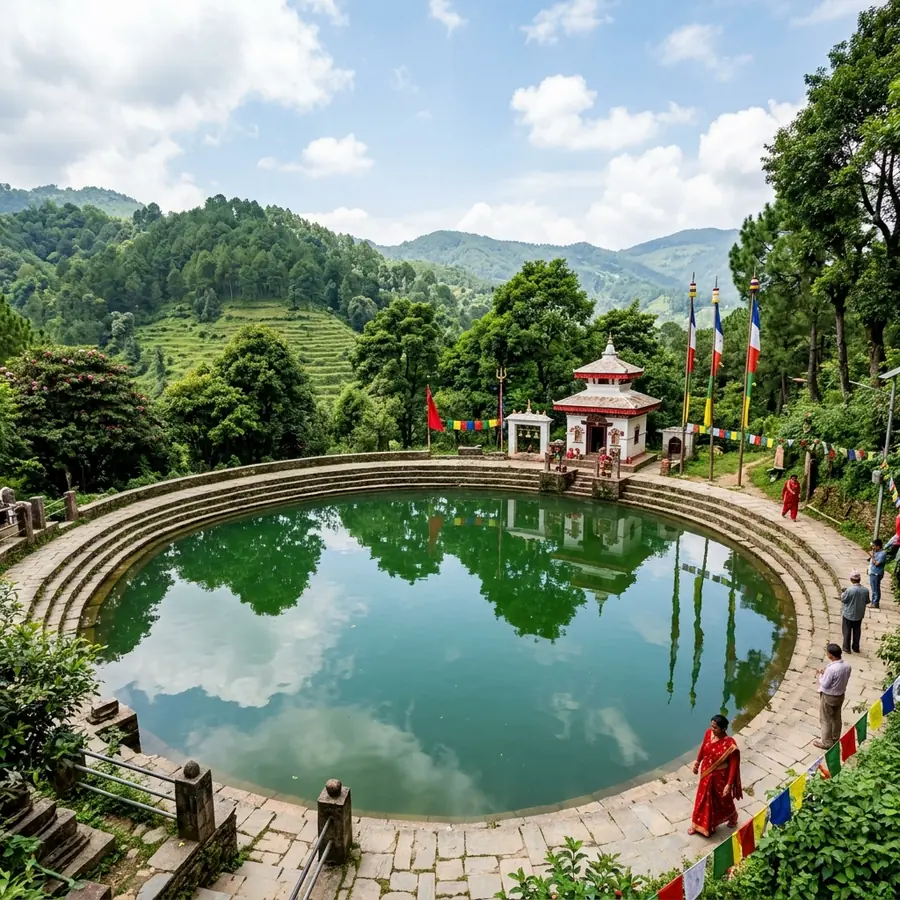
MatatirthaFree30 to 45 minutesEasy, some steps at the tankAny month; the festival falls in Baisakh
Indra DahaFreeHalf a day including the walkModerate, 1 to 2 hour climbOctober to March
Kalu Pande ParkSmall gate charge, otherwise freeHalf a day with the walkModerate on foot, easy by jeepOctober to March
Chandragiri TrailFree to walk; one-way cable car down extra5 to 7 hours for the full dayModerately hard, sustained climbOctober to March
Thankot GatewayFree20 to 30 minutesEasy, roadsideAny month

Fares and opening hours change. Every figure here was checked in August 2026 and each attraction page names the sources it rests on. Confirm the current rate with the operator or the temple committee before travelling on the strength of a number.

Itineraries

How to fit them together

Three plans that work, depending on how much time you have and how much you want to walk.

Half a day, no walking

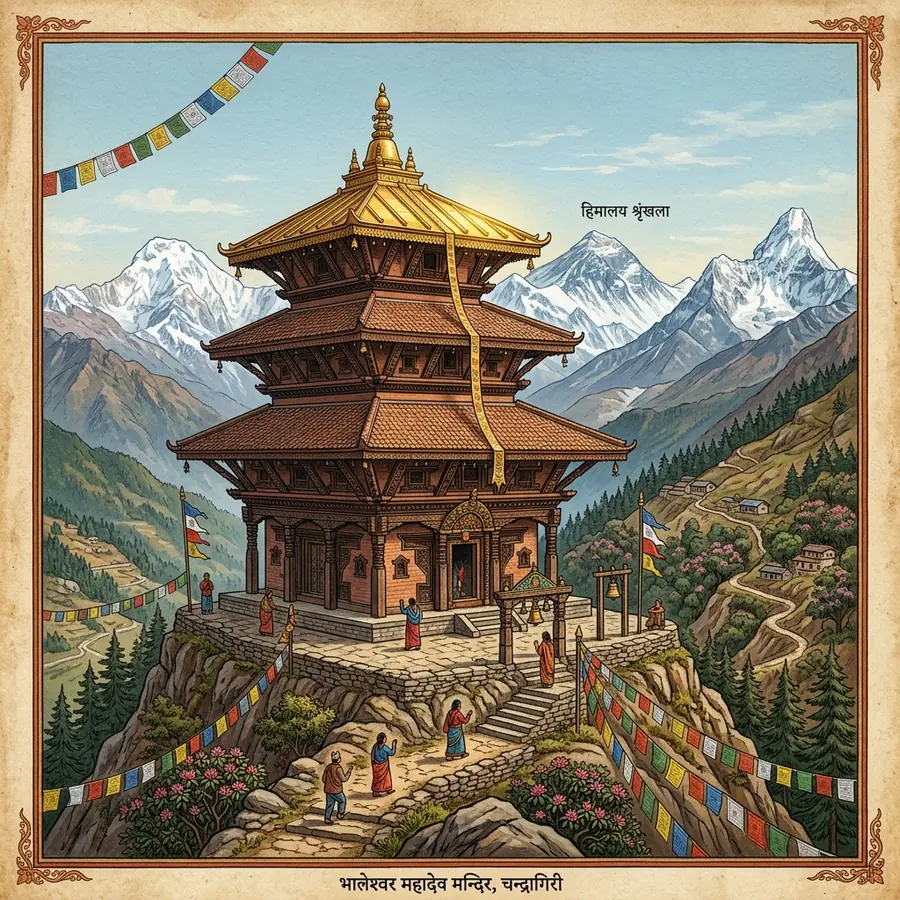
Get down at the Thankot checkpoint, walk ten minutes into the old bazaar for the Mahalaxmi temple, then take the cable car up for an hour on the ridge at Bhaleshwor Mahadev. Back in the city by early afternoon. This is the plan for a visitor with two days in Kathmandu who wants the mountains and one real temple.

Cable car, Bhaleshwor Mahadev, Mahalaxmi temple

A full day with a picnic

Ride up early while the northern horizon is still clear, come down by mid-morning, stop at Mata Tirtha on the way back, then spend the afternoon under the pines at Tribhuvan Park. Book a picnic spot earlier in the week if you are going on a Saturday between November and February, when the whole valley has the same idea.

Cable car, Mata Tirtha, Tribhuvan Park

A walking day on the ridges

Either climb the Chandragiri trail from Thankot and buy a one-way ticket down, which is about four kilometres and well over a thousand metres of ascent, or cross to Dahachowk for the gentler ridge walk past Indra Daha to the Kalu Pande memorial park and its view tower. Both are five to seven hour days. Start at first light.

Chandragiri trail, Indra Daha, Kalu Pande park

A note on seasons

Late October to February is the window that matters. The monsoon dust has been washed out, the ridge looks north to the Ganesh Himal and Langtang groups on most mornings, and the picnic season at Tribhuvan Park runs through the same months. From March the air thickens with dust and, later, field-burning smoke, and by May the northern horizon is often gone. From June to September the summit spends much of its time inside cloud, the trails are muddy and leeches are active in the forest. None of that stops a temple visit, and the hillsides are at their greenest, but do not plan a monsoon trip around a mountain view. The best time to visit guide breaks this down month by month.

Questions

Common questions about visiting Thankot

What people ask before making the trip out from Kathmandu.

What are the main attractions in Thankot and Chandragiri?
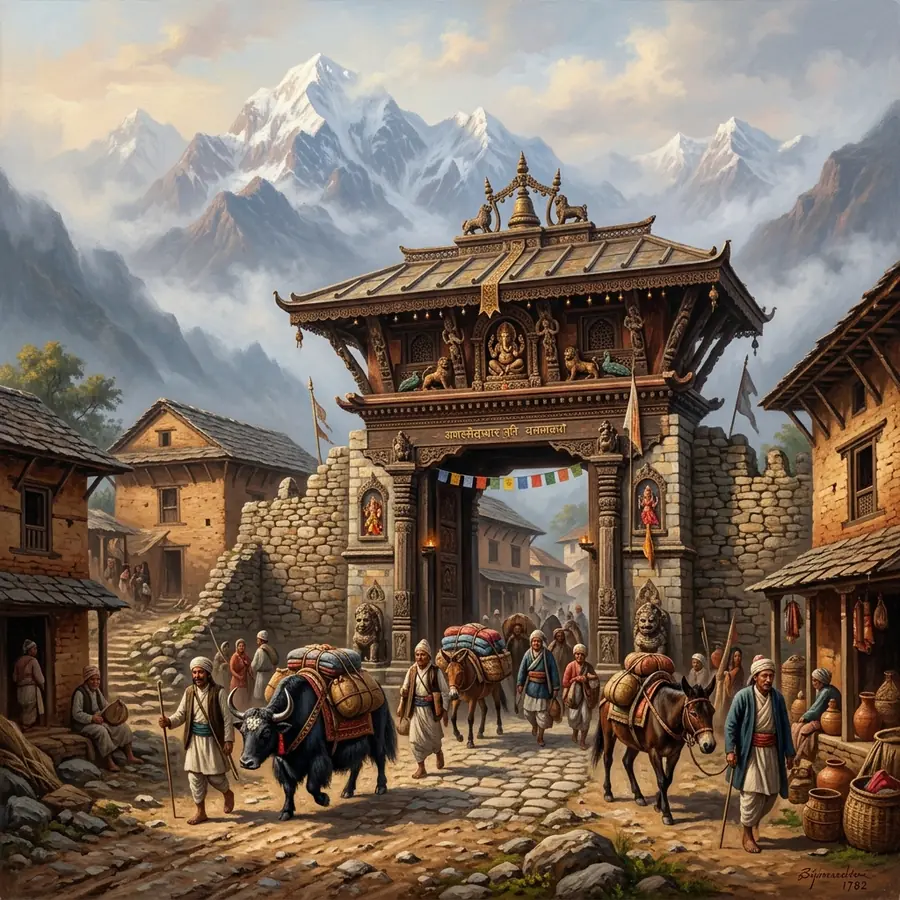
The Chandragiri cable car and the Bhaleshwor Mahadev temple on the 2,551 m summit draw the most visitors. Below them sit the Mahalaxmi pagoda in the old Thankot bazaar, Tribhuvan Park, the sacred ponds at Mata Tirtha and Indra Daha, the Kalu Pande memorial park on the Dahachowk ridge and the historic western gateway itself.
How many days do you need to see Thankot?
One full day covers the cable car, Bhaleshwor Mahadev, the Mahalaxmi temple and Tribhuvan Park. Two days lets you add the Dahachowk ridge, with Indra Daha and the Kalu Pande memorial park, or walk up Chandragiri instead of riding. Most visitors come from Kathmandu for a single day.
Which attractions in Thankot are free?
Bhaleshwor Mahadev, the Mahalaxmi temple, Mata Tirtha, Indra Daha, the Chandragiri hiking trail and the Thankot checkpoint are all free. Tribhuvan Park charges around NPR 30 per adult, the Kalu Pande park may charge a small gate fee, and the cable car is the one substantial cost at roughly NPR 800 to 900 return for a Nepali adult.
What is the best month to visit Thankot?
Late October to February. The air is at its clearest after the monsoon, the northern horizon from the Chandragiri ridge is visible on most mornings, and the picnic season at Tribhuvan Park runs through the same window. April and May are hazy, and June to September brings rain, mud and cloud on the summit.
Can you visit Thankot as a day trip from Kathmandu?
Yes. Thankot is about 12 km west of the city centre, roughly 3 km beyond the Ring Road at Kalanki. Buses and micros run all day for a fare well under NPR 50 and take twenty minutes to an hour depending on traffic. Leave early to be on the Chandragiri ridge before the haze builds.
Which Thankot attractions work for older visitors or small children?
The cable car, Bhaleshwor Mahadev, the Mahalaxmi temple, Tribhuvan Park and the Thankot checkpoint all involve little walking and no steep ground beyond a few flights of steps. The Chandragiri trail, Indra Daha and the Kalu Pande park all require a sustained climb and are better left to walkers.

Plan the trip out from Kathmandu

Bus stands, fares, journey times by hour of day and the months when the western rim is clearest.