Fifteen Days

Dashain in Thankot: What Opens, What Closes, What to Expect

Nepal's longest festival empties the city westward through Thankot and closes much of the bazaar for a fortnight.

Thankot.com Editorial Desk Last checked 31 August 2026 6 min read

Dashain runs for fifteen days from the first day of the bright fortnight of Ashwin, which puts it in late September or October. For a visitor in Thankot the practical facts matter more than the ritual calendar: the bazaar largely shuts for several days around the tenth day, the Tribhuvan Highway west is at its heaviest of the year, and the settlement fills with families who have come home.

Nepali name: दशैं. Falls in Ashwin (Ashwin Shukla Pratipada to Purnima, fifteen days), late September into October. The Gregorian date moves every year with the lunar calendar, so confirm against a current Nepali calendar before you travel.

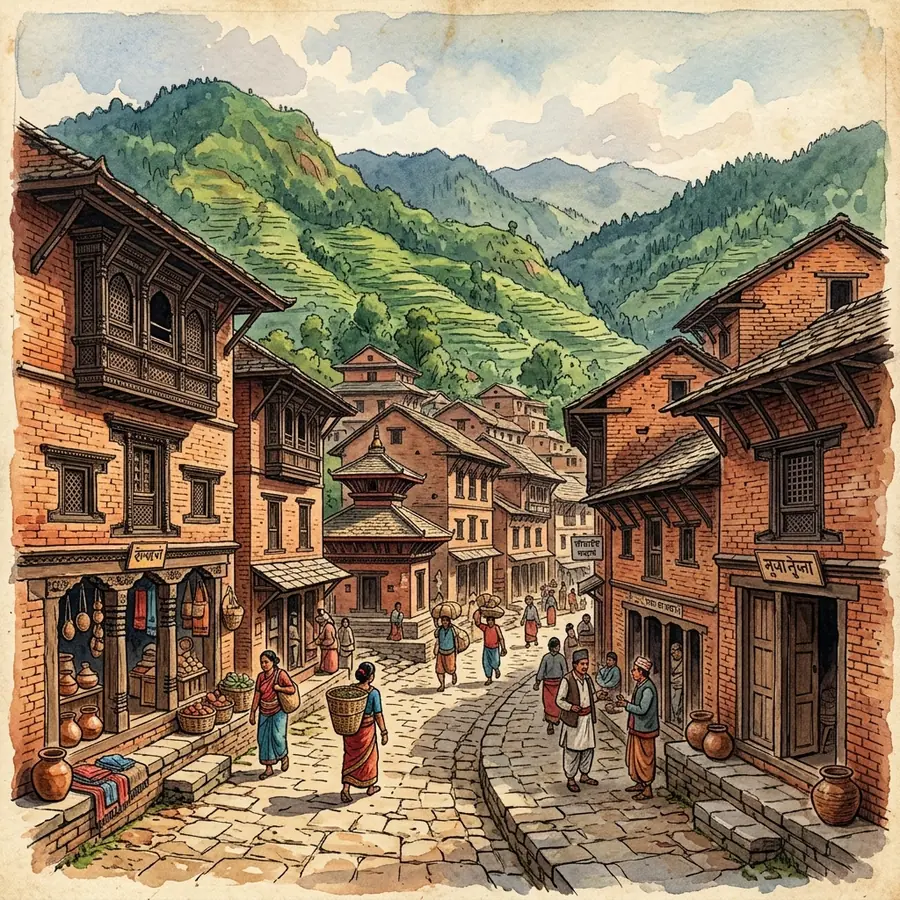
The old settlement lanes of Thankot

15 days

Festival length

Peak

Highway traffic west

3 to 5 days

Typical bazaar closure

Everywhere

Langur Burja tables

When does Dashain fall?

Dashain occupies the first fifteen days of the bright fortnight of Ashwin, running from Ghatasthapana on the first day to Kojagrat Purnima on the full moon. In Gregorian terms that means late September into October, and like everything else on this site the exact dates move each year with the lunar calendar.

Four days carry the weight: Fulpati on the seventh, Maha Ashtami on the eighth, Nawami on the ninth, and Vijaya Dashami on the tenth, when elders apply the red rice tika and yellow jamara shoots to the foreheads of younger family members. Dashami is the day everyone must be at home with family, which is what makes the days either side of it so difficult to travel on.

Why Thankot feels Dashain more than most places

Thankot sits astride the Tribhuvan Highway at the western gate of the Kathmandu Valley. Every vehicle leaving the valley for the western hills, for Pokhara, for Chitwan, for Gorkha and beyond passes through here. In the week before Dashami, when hundreds of thousands of people leave Kathmandu for their family homes, the road through Thankot is the single most congested stretch in the country. The same happens in reverse in the days after.

If you are planning to travel west in that window, do not schedule anything you cannot miss. Bus tickets sell out weeks ahead, fares rise, and a journey that normally takes six hours can take twelve. If you are staying in the valley, the flip side is that Kathmandu itself is quieter and cleaner than at any other point in the year.

Our getting there guide and seasonal guide both go into the practical consequences in more detail.

What actually happens in the settlement

Households plant jamara, barley shoots grown in the dark, in a room set aside on Ghatasthapana, and tend it for nine days. Goddess worship runs through the fortnight, with the eighth and ninth days the heaviest for animal sacrifice at shrines; the Mahalaxmi Temple in the old bazaar is the focal point for the settlement's own observance, and is worth reading about on our temple page.

Kites go up in September, which is a Dashain marker across the valley. Bamboo swings, ping, are erected on open ground at the edge of the settlement and are effectively a village project: they go up before the festival and come down after Tihar. And gambling, which is tolerated during the festival season in a way it is not for the rest of the year, appears everywhere in the form of card schools and Langur Burja boards on street corners.

What is open and what is shut

  • Shops in the bazaar: most close from around Ashtami through Dashami, some for longer. Buy what you need before the eighth day.
  • Banks and government offices: closed on the public holiday days. Withdraw cash beforehand; ATMs in smaller settlements run dry.
  • Restaurants: patchy. Hotel kitchens in the city keep running; small local places close.
  • Temples: open and extremely busy, especially on the eighth and ninth days.
  • Chandragiri cable car: runs, and holiday days are among its busiest.
  • Local buses: reduced in the valley, chaotic on long-distance routes.

Food, the goat market and what Dashain costs

Dashain is the most expensive fortnight of the Nepali year for most households, and the reason is meat. Goat and buffalo are bought for the eighth and ninth days and for the feast that follows tika, and demand is national and concentrated into about a week. Prices rise sharply in the run-up, live animals are trucked into the valley from the hills and from across the southern border, and temporary markets appear on open ground on the approaches to settlements, Thankot included. If you are on the highway in the week before Dashami you will pass more livestock trucks than buses.

The eating is worth understanding even if you are not part of it. Cuts are divided carefully between households that bought an animal jointly, offal is cooked first because it does not keep, and dried and spiced preparations carry the meat through the following weeks. Sel roti, the ring-shaped rice-flour bread fried in oil, appears in every kitchen and is the smell of the season in the old bazaar. So does aila, the distilled rice spirit of Newar households, alongside beaten rice and pickles.

For a visitor, two consequences follow. Vegetarians will find the choice at small local eateries narrow to almost nothing during the main days, so plan around that. And anyone invited into a household for tika should arrive with something: fruit, sweets or a small gift for the children is the norm, and arriving empty-handed at a feast that cost the family a month of income is a poor start.
Should a visitor come to Thankot during Dashain?

It depends what you want. If you want to see a Nepali family festival at close range and you have local contacts who can invite you in, Dashain is unmatched. Tika day in a Thankot household, with three generations queueing in front of the eldest member, is the most direct view of Nepali family structure you will get.

If you have no local connection and you want to sightsee, this is a poor fortnight. Half the shops are shut, the roads are hostile, and the temples are too crowded to look at properly. In that case come a fortnight later for Tihar, which is more visually accessible to an outsider, or wait for the Mahalaxmi Jatra in Kartik, which is a public street event anyone can attend.

One honest caution. Animal sacrifice is central to the eighth and ninth days at many shrines and is not hidden. Visitors who find that distressing should avoid temple compounds on Maha Ashtami in particular.

In pictures

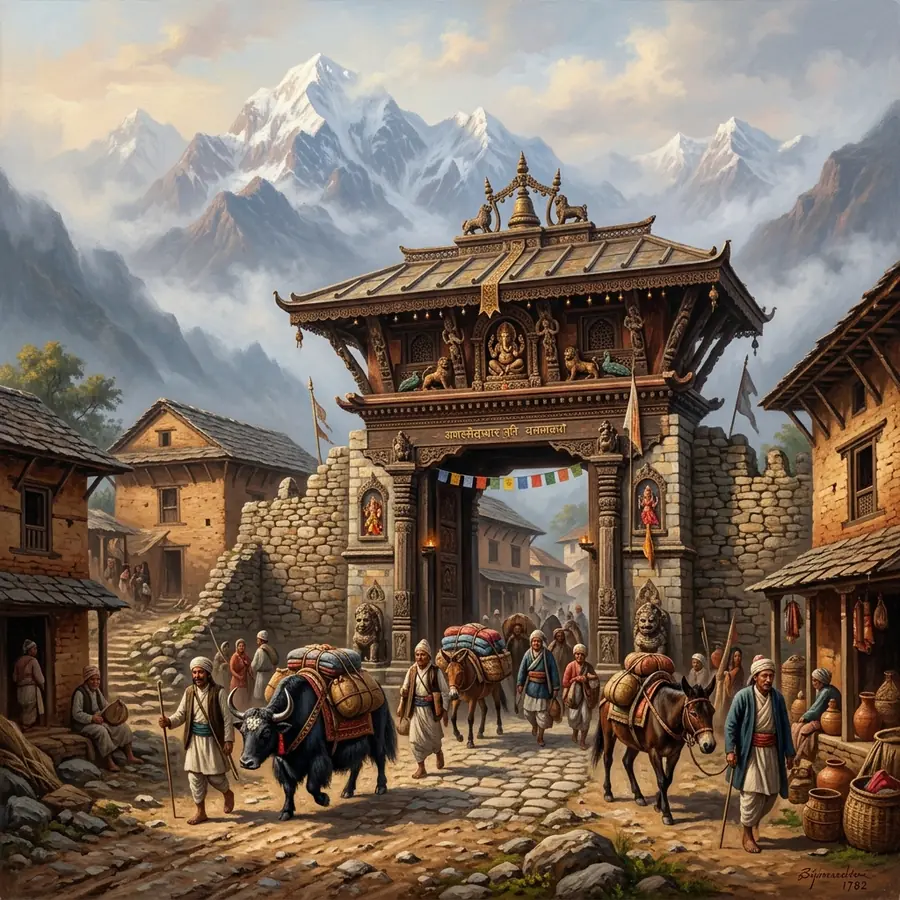
The Thankot gateway on the Tribhuvan Highway
Thankot sits on the highway west, which is why Dashain traffic is felt here more than anywhere else in the valley.

Common questions about Dashain in Thankot

The questions people actually search for, answered plainly.

When is Dashain?
Dashain runs for fifteen days from the first day of the bright fortnight of Ashwin, which falls in late September or October. The exact Gregorian dates move each year with the lunar calendar. The main days are the seventh through the tenth, with Vijaya Dashami on the tenth.
Is anything open in Thankot during Dashain?
Temples stay open and are very busy, and the Chandragiri cable car runs. Most bazaar shops close from around the eighth day through the tenth, and banks and government offices close on the public holiday days. Withdraw cash and buy what you need before Ashtami.
Why is the road through Thankot so bad during Dashain?
Thankot sits on the Tribhuvan Highway at the western exit of the Kathmandu Valley, so every vehicle leaving the valley for the western hills passes through it. In the days before Vijaya Dashami hundreds of thousands of people leave Kathmandu for their family homes, and that traffic all funnels through here.
Is gambling legal in Nepal during Dashain?
Card games and dice games such as Langur Burja are widely tolerated during the Dashain and Tihar period in a way they are not during the rest of the year, and street boards appear openly. That tolerance is customary rather than a blanket legal permission, and the version of Langur Burja on this site uses no real money.

Keep reading

Temples, chronicles and practical guides connected to this festival.

Plan the trip around the festival

Bus routes from Kalanki, cable car fares up Chandragiri, and which months give the clearest air.